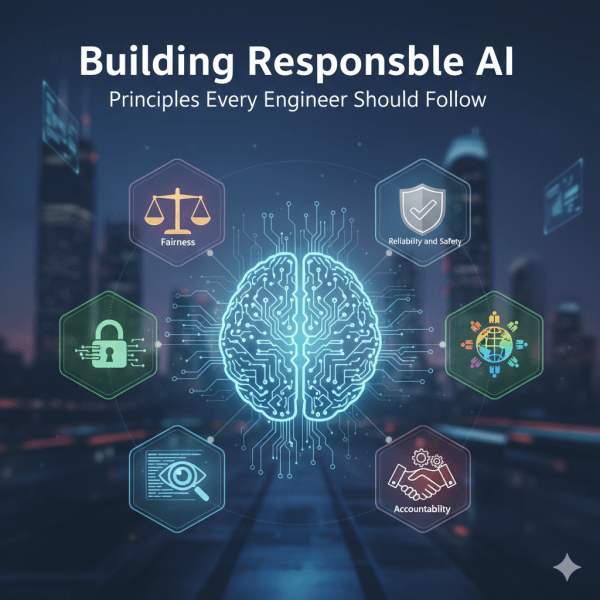
As engineers, we don’t just build systems. We shape experiences that affect people and society. AI is powered by probabilistic models trained on data, which means it can sometimes amplify biases or make mistakes that impact real lives. This is why principles of Responsible AI matter. At Microsoft, several core principles guide the responsible development and deployment of AI systems. Let’s look at them one by one.
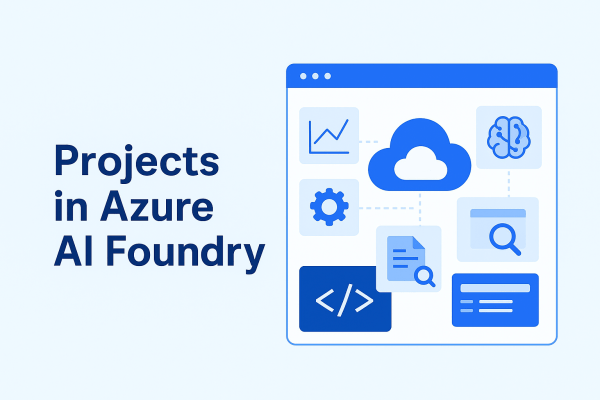
Projects in Azure AI Foundry: Where Ideas Turn Into AI Solutions
A project in Azure AI Foundry is a workspace designed for a specific AI development effort. Each project connects to a hub, giving it access to shared resources while also providing its own dedicated environment for collaboration and experimentation.
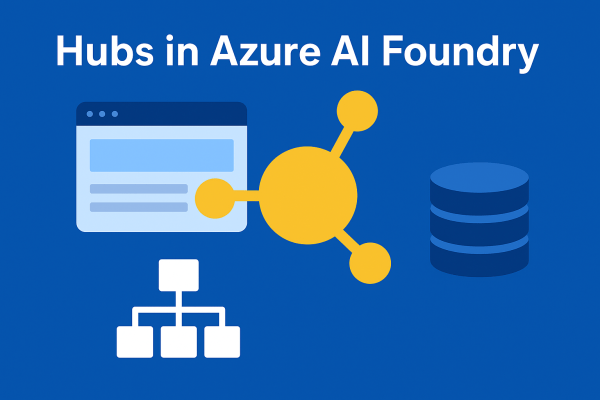
Hubs in Azure AI Foundry: The Nerve Center of Your AI Development
A hub is the foundation of Azure AI Foundry. Think of it as a control center where all the shared resources, security settings, and configurations for your AI development live. Without at least one hub, you cannot use the full power of Foundry’s solution development capabilities.
Governance & Security in Microsoft Fabric
As organizations adopt Microsoft Fabric to unify their data and analytics, ensuring governance and security becomes critical. Data is a strategic asset, and protecting it requires a mix of access controls, sensitivity labeling, and monitoring tools. Fabric brings these capabilities together so enterprises can innovate without sacrificing compliance.
Why “Good Enough” Data Isn’t Good Enough Anymore
For years, organizations have operated under the assumption that “good enough” data is… good enough. A few gaps here, a few duplicates there as long as dashboards work and reports run, why sweat the small stuff? That mindset might have worked in the past. But today, “good enough” data is no longer enough and holding onto that thinking could be quietly costing your business millions.
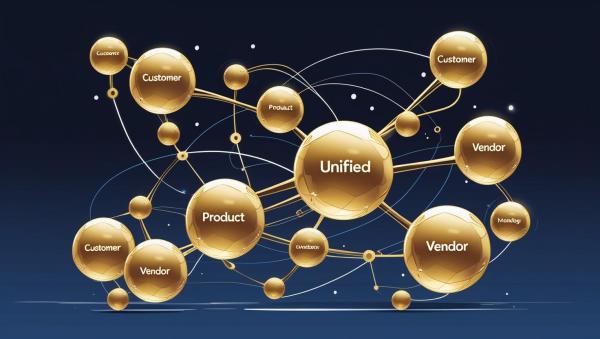
Golden Records: The Secret to Clean, Trusted Enterprise Data
In a world where organizations rely on dozens of apps, platforms, and databases, one thing remains true: fragmented data leads to flawed decisions. That’s why top-performing enterprises are investing in Golden Records: the trusted, unified versions of critical business entities like customers, products, and vendors.
Demystifying Data Cataloguing: A Practical Guide for Modern Enterprises
In a world where data is everywhere but rarely well-understood, data cataloguing is becoming a critical pillar of enterprise data strategy. Whether you're a data engineer, analyst, or business leader, knowing what data you have, where it lives, and how to trust it is no longer a luxury, it’s a necessity.