Azure AI Foundry is Microsoft’s dedicated platform for building, managing, and scaling AI solutions in the cloud. It is not just a collection of services, it is a structured environment designed to make AI development more efficient, organized, and secure.
Navigating Azure AI Services Resources – the Smart Way
Imagine you’re about to build something amazing with Azure AI. Before you dive into writing code or training models, there’s one big question: how do you set up your AI resources? This step might feel like just a checkbox, but it’s the foundation of how your application will scale, perform, and even stay within budget.
Exploring the Core Capabilities of Artificial Intelligence
Today, the real magic of AI lies in its capabilities. These are the practical functions that bring intelligence into software applications. Let’s explore the key AI capabilities that developers are using to build smarter, more responsive, and human-like systems.
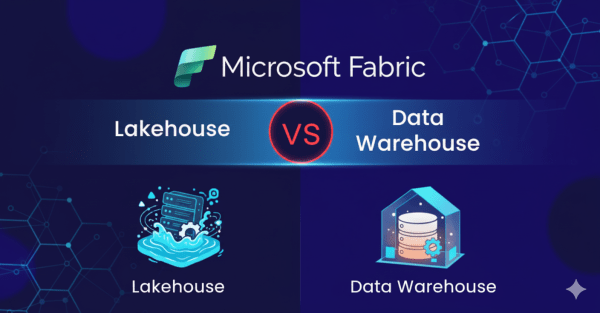
Lakehouse vs. Data Warehouse in Microsoft Fabric: Do You Really Need Both?
While working with Microsoft Fabric, a question came to mind: why use a Data Warehouse if the Lakehouse already provides a SQL endpoint? At first glance, it may seem redundant. However, when you look closer, the two serve very different purposes, and understanding these differences is key to knowing when to use each.
Azure vs. Snowflake: When to Use Which?
In the cloud data world, Microsoft Azure and Snowflake often come up as leading choices for building scalable data platforms. While they overlap in some capabilities, their core strengths and ecosystem focus make them suited to different use cases.
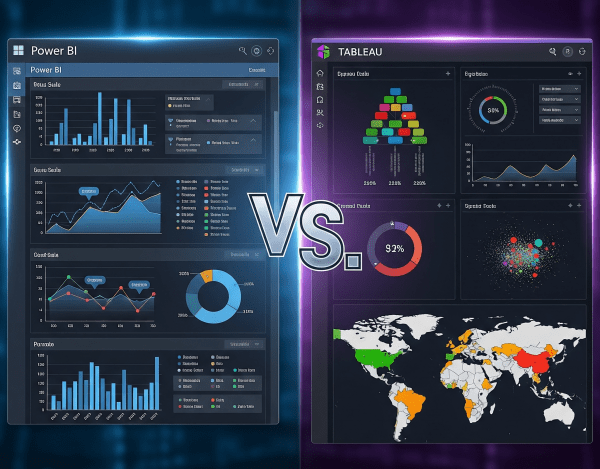
Power BI vs. Tableau: Which One Is Best?
When it comes to data visualization and business intelligence (BI), Power BI and Tableau are two of the most popular platforms in the world. Both turn raw data into insights, but they differ in cost, ecosystem fit, and flexibility.
Data Lake vs. Data Warehouse: When to Use Which?
When organizations talk about becoming data-driven, the debate often comes down to where should data live and how should it be structured? That’s where the Data Lake and the Data Warehouse come into play. Both are critical, but their purposes and strengths differ.
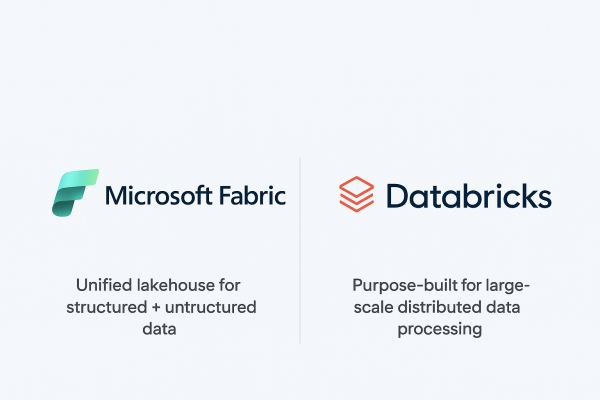
Microsoft Fabric vs. Databricks: When to Use Each?
When it comes to building a modern data platform in Azure, two technologies often spark debate: Microsoft Fabric and Databricks. Both are powerful. Both can process, transform, and analyze data. But they serve different purposes, and the smartest organizations know when to use each.
Microsoft Fabric Best Practices & Roadmap
Microsoft Fabric brings together data engineering, data science, real-time analytics, and business intelligence into one unified platform. With so many capabilities available, organizations often ask: How do we get the most out of Fabric today while preparing for what’s coming next? This post shares practical performance tuning tips, cost optimization strategies, and a look at the Fabric roadmap based on the latest Microsoft updates.
Real-Time Analytics in Microsoft Fabric
In today’s data-driven world, many business scenarios demand insights not in hours or days, but in seconds. From monitoring IoT devices to tracking live transactions, real-time analytics enables organizations to act immediately. Microsoft Fabric delivers this capability through KQL databases and event streams, making it easier to ingest, query, and analyze fast-moving data at scale.
Analyzing Data with Power BI in Microsoft Fabric
Data becomes valuable when it’s turned into insights that drive action. In Microsoft Fabric, this is where Power BI shines. By connecting directly to Lakehouses and Warehouses in Fabric, you can build interactive dashboards and reports, then publish and share them securely across your organization.
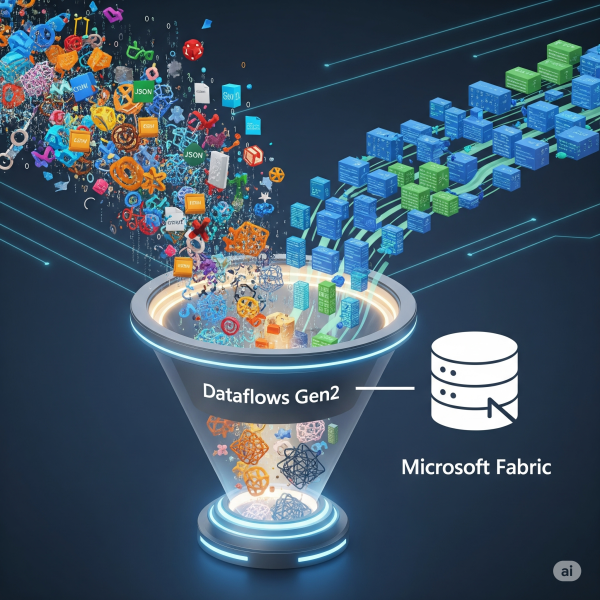
Transforming Data with Dataflows Gen2 in Microsoft Fabric
In Microsoft Fabric, raw data from multiple sources flows into the OneLake environment. But raw data isn’t always ready for analytics. It needs to be cleaned, reshaped, and enriched before it powers business intelligence, AI, or advanced analytics. That’s where Dataflows Gen2 come in. They let you prepare and transform data at scale inside Fabric, without needing heavy coding, while still integrating tightly with other Fabric workloads.