Data becomes valuable when it’s turned into insights that drive action. In Microsoft Fabric, this is where Power BI shines. By connecting directly to Lakehouses and Warehouses in Fabric, you can build interactive dashboards and reports, then publish and share them securely across your organization.
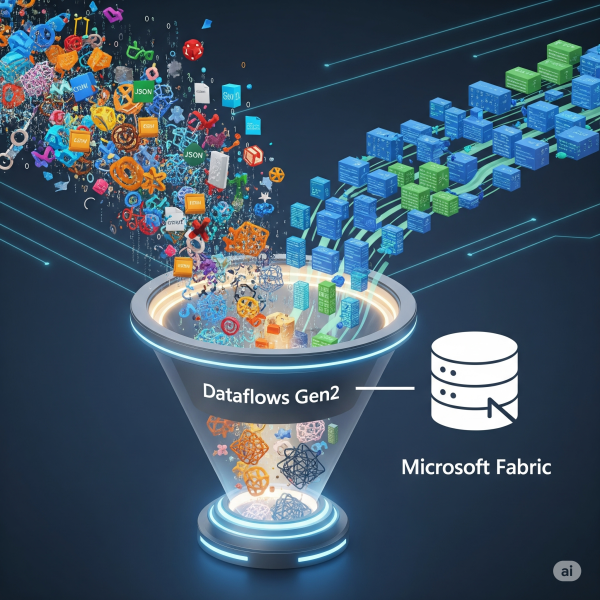
Transforming Data with Dataflows Gen2 in Microsoft Fabric
In Microsoft Fabric, raw data from multiple sources flows into the OneLake environment. But raw data isn’t always ready for analytics. It needs to be cleaned, reshaped, and enriched before it powers business intelligence, AI, or advanced analytics. That’s where Dataflows Gen2 come in. They let you prepare and transform data at scale inside Fabric, without needing heavy coding, while still integrating tightly with other Fabric workloads.
Ingesting Data with Data Factory in Microsoft Fabric
In Microsoft Fabric, Data Factory is the powerhouse behind that process. It’s the next generation of Azure Data Factory, built right into the Fabric platform; making it easier than ever to: - Connect to hundreds of data sources - Transform and clean data on the fly - Schedule and automate ingestion (without writing code)
Building a Lakehouse in Microsoft Fabric
A Lakehouse in Microsoft Fabric combines the scalability and flexibility of a data lake with the structure and performance of a data warehouse. It’s an all-in-one approach for storing, processing, and analyzing both structured and unstructured data.
Exploring OneLake: The Heart of Microsoft Fabric
OneLake is Microsoft Fabric’s built-in data lake, designed to store data in open formats like Delta Parquet and make it instantly available to all Fabric experiences (Lakehouse, Data Factory, Power BI, Real-Time Analytics).
What Is Microsoft Fabric and Why It Matters in 2025
In the last decade, data platforms have evolved from siloed solutions into fully integrated ecosystems. Microsoft Fabric is the latest and arguably boldest step in this evolution, bringing together data engineering, analytics, and governance into a single end-to-end SaaS platform.
Top Azure Services You Should Master in 2025
Microsoft Azure remains a powerhouse in the cloud ecosystem, driving innovation across AI, automation, and data analytics. As industries increasingly rely on cloud-native solutions, mastering the right Azure services in 2025 is essential for cloud professionals, developers, and architects who want to stay ahead of the curve.
Building Your First Azure Data Factory Pipeline: A Beginner’s Guide
Whether you're a data engineer, analyst, or developer stepping into the world of cloud-based data integration, Azure Data Factory (ADF) is a powerful tool worth mastering. It allows you to build robust, scalable data pipelines to move and transform data from various sources, all without managing infrastructure.
Python for Data Engineers: 5 Scripts You Must Know
As a data engineer, your job isn’t just about moving data. It’s about doing it reliably, efficiently, and repeatably, especially when working with cloud data platforms like Azure SQL Data Warehouse (Azure Synapse Analytics). Python is one of the best tools to automate workflows, clean data, and interact with Azure SQL DW seamlessly.
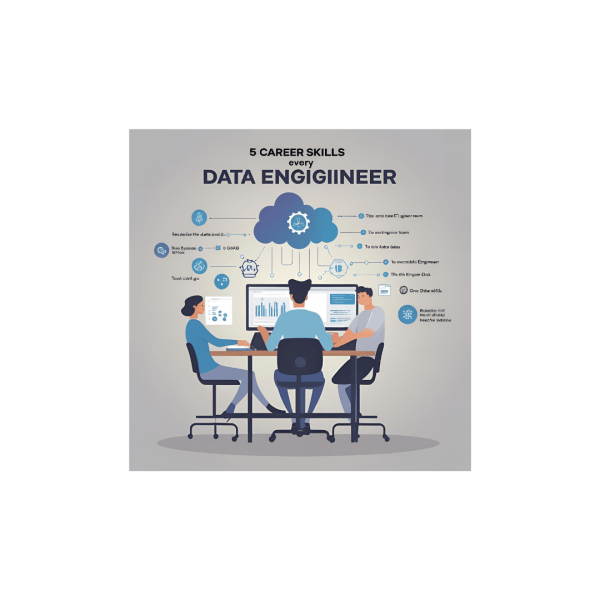
5 Career Skills Every Aspiring Data Engineer Needs
Over the past ten years in data, I’ve been fortunate to collaborate with, learn from, and help grow some incredibly talented engineering teams. One thing has become clear along the way: Tools come and go, but the core skills that make a great data engineer remain timeless. In today’s cloud-first, real-time, business-aligned world, here are the five skills I believe every aspiring data engineer must master.
How to Extract HubSpot Data to Azure Data Lake Using Azure Data Factory
In today’s data-driven world, integrating marketing and sales data from platforms like HubSpot into a centralized storage system such as Azure Data Lake is critical for advanced analytics and reporting. Azure Data Factory (ADF) makes it simple to automate this process without writing any code. In this guide, we'll walk through the exact steps needed to pull data from HubSpot and store it in Azure Data Lake Storage Gen2 in JSON format.
How to Scale Up and Scale Down Dedicated SQL pool (SQL DW) using Azure Data factory.
Scaling up and scaling down your Azure Dedicated SQL Pool helps optimize both performance and costs.