Microsoft Fabric vs. Databricks: When to Use Each?

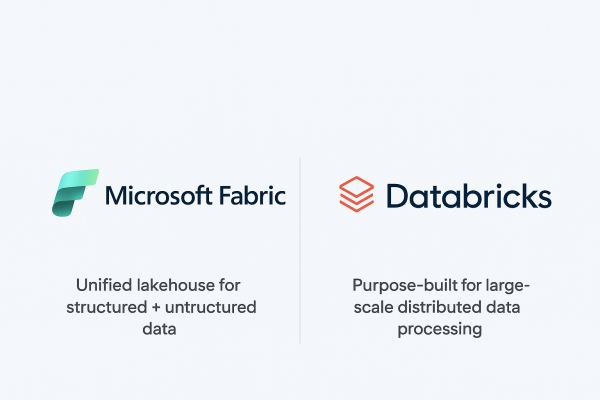
When it comes to building a modern data platform in Azure, two technologies often spark debate: Microsoft Fabric and Databricks. Both are powerful. Both can process, transform, and analyze data. But they serve different purposes, and the smartest organizations know when to use each.

Governance & Security in Microsoft Fabric

As organizations adopt Microsoft Fabric to unify their data and analytics, ensuring governance and security becomes critical. Data is a strategic asset, and protecting it requires a mix of access controls, sensitivity labeling, and monitoring tools. Fabric brings these capabilities together so enterprises can innovate without sacrificing compliance.

Analyzing Data with Power BI in Microsoft Fabric

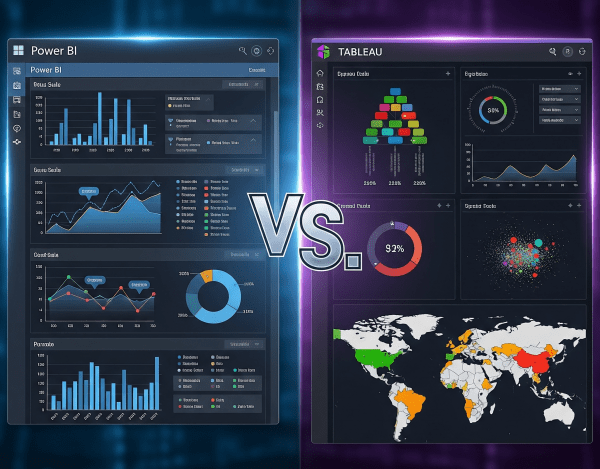
Data becomes valuable when it’s turned into insights that drive action. In Microsoft Fabric, this is where Power BI shines. By connecting directly to Lakehouses and Warehouses in Fabric, you can build interactive dashboards and reports, then publish and share them securely across your organization.

Transforming Data with Dataflows Gen2 in Microsoft Fabric

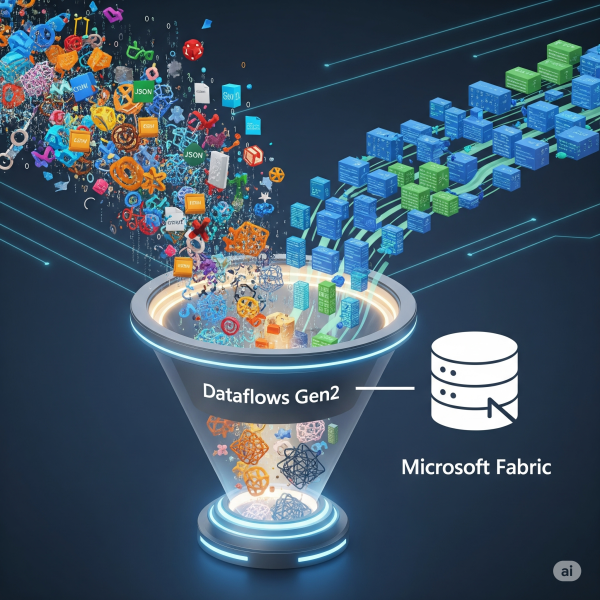
In Microsoft Fabric, raw data from multiple sources flows into the OneLake environment. But raw data isn’t always ready for analytics. It needs to be cleaned, reshaped, and enriched before it powers business intelligence, AI, or advanced analytics. That’s where Dataflows Gen2 come in. They let you prepare and transform data at scale inside Fabric, without needing heavy coding, while still integrating tightly with other Fabric workloads.

Ingesting Data with Data Factory in Microsoft Fabric

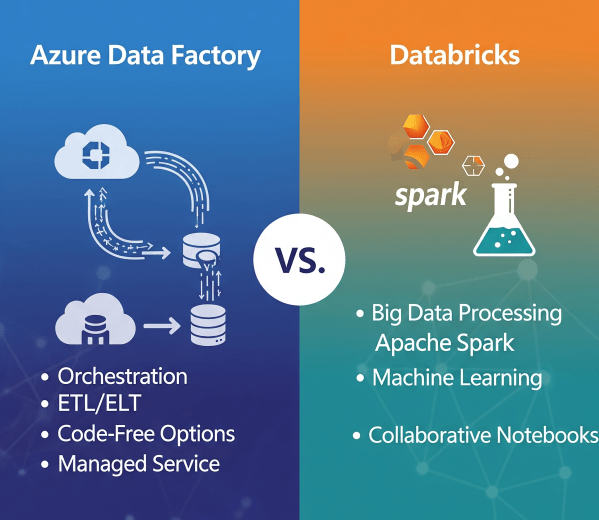
In Microsoft Fabric, Data Factory is the powerhouse behind that process. It’s the next generation of Azure Data Factory, built right into the Fabric platform; making it easier than ever to: - Connect to hundreds of data sources - Transform and clean data on the fly - Schedule and automate ingestion (without writing code)

Top Azure Services You Should Master in 2025

Microsoft Azure remains a powerhouse in the cloud ecosystem, driving innovation across AI, automation, and data analytics. As industries increasingly rely on cloud-native solutions, mastering the right Azure services in 2025 is essential for cloud professionals, developers, and architects who want to stay ahead of the curve.

Create a website or blog at WordPress.com

Up ↑