Automating your Power BI dataset refresh can save time and ensure your reports always stay up to date. In this post, we’ll walk through how to trigger a Power BI report refresh directly from Azure Data Factory (ADF) using an App Registration in Azure Entra ID.
How Azure Data Factory Changed the Way We Handle ETL/ELT at Scale
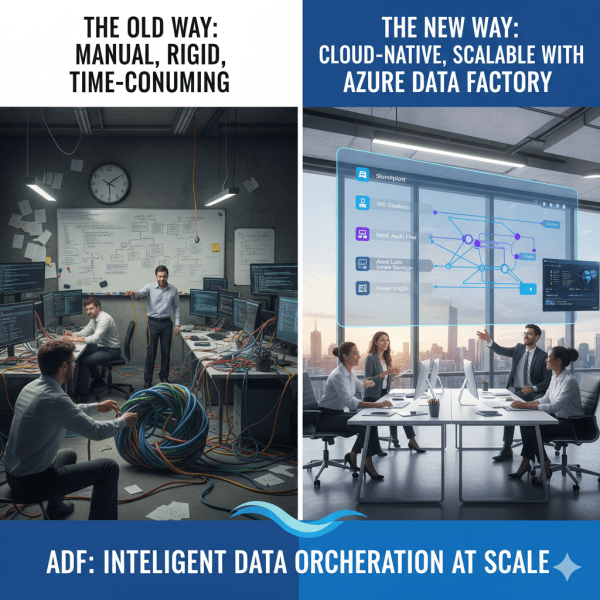
There was a time when moving data from multiple sources felt like untangling a giant knot. Every data refresh meant scripts breaking, manual checks, and long hours spent ensuring everything flowed from source to destination correctly. Then Azure Data Factory (ADF) entered the picture, and it didn’t just simplify ETL and ELT. It completely transformed how we think about data orchestration at scale.
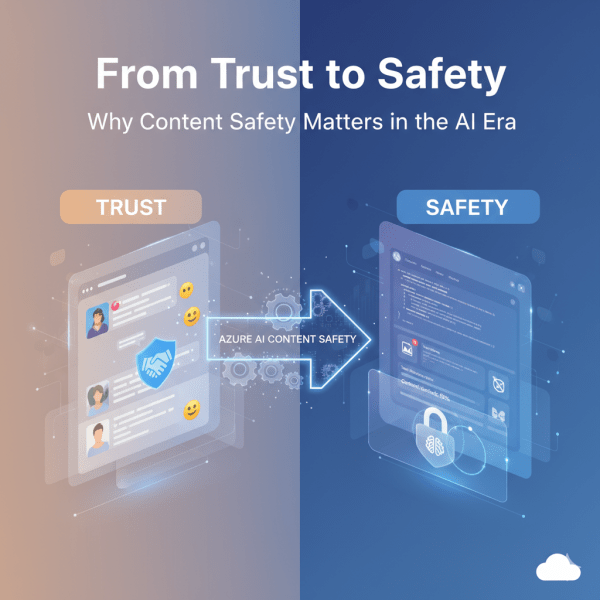
From Trust to Safety: Why Content Safety Matters in the AI Era
Online spaces thrive on trust. Whether it’s a social network, a community forum, or a brand encouraging customers to share their experiences, user-generated content is at the heart of digital interaction. People tend to trust authentic voices more than marketing copy, and businesses actively promote this trust as part of their strategy.
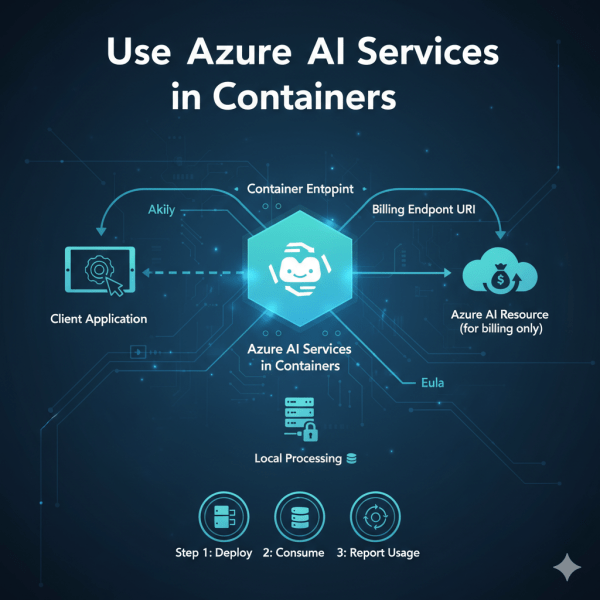
Use Azure AI Services in Containers
Did you know you can run Azure AI services on your own infrastructure using containers? Microsoft provides container images for individual AI service APIs through the Microsoft Container Registry (MCR). This allows you to deploy AI closer to your data on-premises, in Azure, or even at the edge.
Unlocking the Power of Azure AI Foundry
Azure AI Foundry is Microsoft’s dedicated platform for building, managing, and scaling AI solutions in the cloud. It is not just a collection of services, it is a structured environment designed to make AI development more efficient, organized, and secure.
Navigating Azure AI Services Resources – the Smart Way
Imagine you’re about to build something amazing with Azure AI. Before you dive into writing code or training models, there’s one big question: how do you set up your AI resources? This step might feel like just a checkbox, but it’s the foundation of how your application will scale, perform, and even stay within budget.
Building Smarter with Azure AI Services
With Azure AI services, you don’t need to start from scratch. Microsoft provides a suite of prebuilt, ready-to-use APIs that let you plug AI into your apps and workflows right away. Here are some of the most powerful services you can use today:
Exploring the Core Capabilities of Artificial Intelligence
Today, the real magic of AI lies in its capabilities. These are the practical functions that bring intelligence into software applications. Let’s explore the key AI capabilities that developers are using to build smarter, more responsive, and human-like systems.
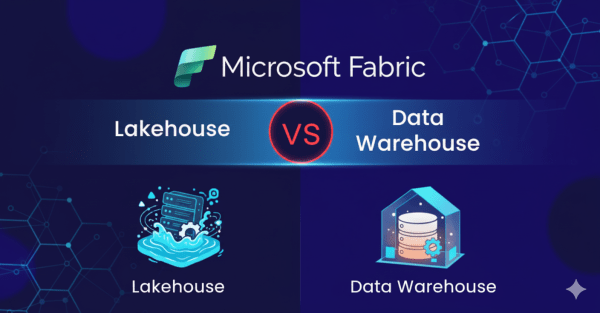
Lakehouse vs. Data Warehouse in Microsoft Fabric: Do You Really Need Both?
While working with Microsoft Fabric, a question came to mind: why use a Data Warehouse if the Lakehouse already provides a SQL endpoint? At first glance, it may seem redundant. However, when you look closer, the two serve very different purposes, and understanding these differences is key to knowing when to use each.
Azure vs. Snowflake: When to Use Which?
In the cloud data world, Microsoft Azure and Snowflake often come up as leading choices for building scalable data platforms. While they overlap in some capabilities, their core strengths and ecosystem focus make them suited to different use cases.
Data Lake vs. Data Warehouse: When to Use Which?
When organizations talk about becoming data-driven, the debate often comes down to where should data live and how should it be structured? That’s where the Data Lake and the Data Warehouse come into play. Both are critical, but their purposes and strengths differ.
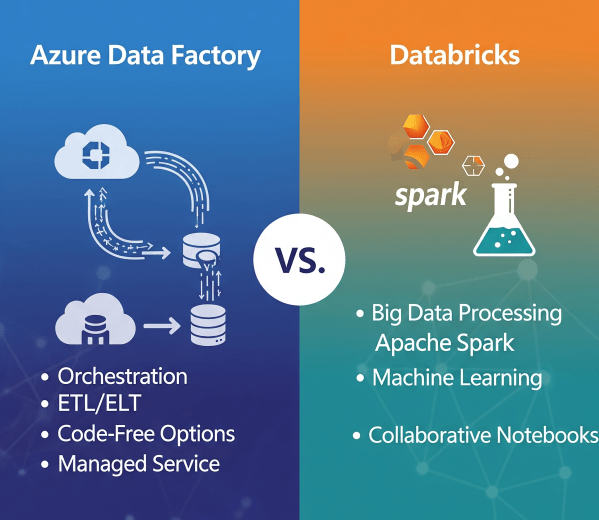
Azure Data Factory vs. Databricks: When to Use What?
In today’s cloud-first world, enterprises have no shortage of data services. But when it comes to building scalable, reliable data pipelines, two names often dominate the conversation: Azure Data Factory (ADF) and Azure Databricks.