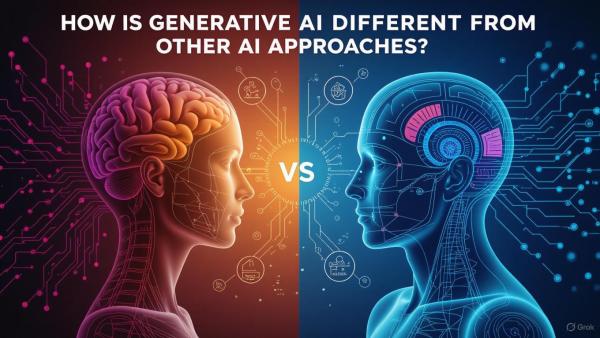
Artificial Intelligence (AI) is everywhere these days, from personalized Netflix recommendations to chatbots that answer your questions in real-time. But not all AI is built the same. A key distinction exists between traditional AI approaches and the rising star: Generative AI (Gen AI).
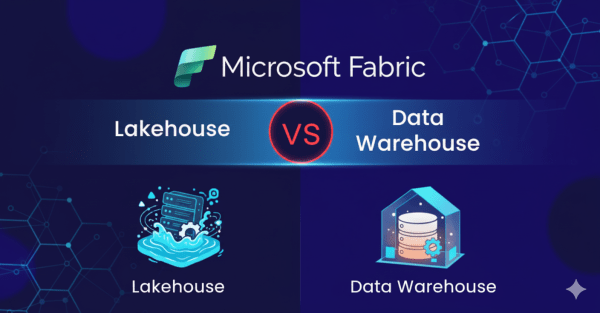
Lakehouse vs. Data Warehouse in Microsoft Fabric: Do You Really Need Both?
While working with Microsoft Fabric, a question came to mind: why use a Data Warehouse if the Lakehouse already provides a SQL endpoint? At first glance, it may seem redundant. However, when you look closer, the two serve very different purposes, and understanding these differences is key to knowing when to use each.
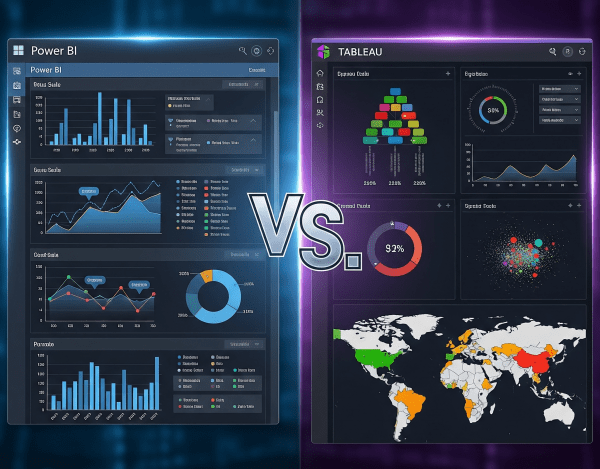
Power BI vs. Tableau: Which One Is Best?
When it comes to data visualization and business intelligence (BI), Power BI and Tableau are two of the most popular platforms in the world. Both turn raw data into insights, but they differ in cost, ecosystem fit, and flexibility.
Data Lake vs. Data Warehouse: When to Use Which?
When organizations talk about becoming data-driven, the debate often comes down to where should data live and how should it be structured? That’s where the Data Lake and the Data Warehouse come into play. Both are critical, but their purposes and strengths differ.
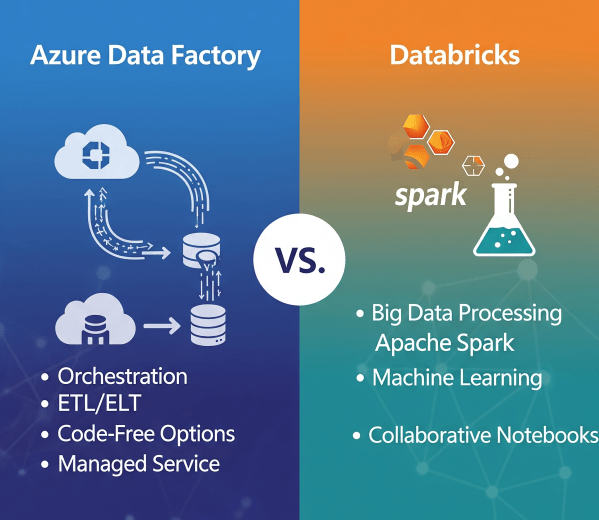
Azure Data Factory vs. Databricks: When to Use What?
In today’s cloud-first world, enterprises have no shortage of data services. But when it comes to building scalable, reliable data pipelines, two names often dominate the conversation: Azure Data Factory (ADF) and Azure Databricks.
Microsoft Fabric Best Practices & Roadmap
Microsoft Fabric brings together data engineering, data science, real-time analytics, and business intelligence into one unified platform. With so many capabilities available, organizations often ask: How do we get the most out of Fabric today while preparing for what’s coming next? This post shares practical performance tuning tips, cost optimization strategies, and a look at the Fabric roadmap based on the latest Microsoft updates.
Governance & Security in Microsoft Fabric
As organizations adopt Microsoft Fabric to unify their data and analytics, ensuring governance and security becomes critical. Data is a strategic asset, and protecting it requires a mix of access controls, sensitivity labeling, and monitoring tools. Fabric brings these capabilities together so enterprises can innovate without sacrificing compliance.
Real-Time Analytics in Microsoft Fabric
In today’s data-driven world, many business scenarios demand insights not in hours or days, but in seconds. From monitoring IoT devices to tracking live transactions, real-time analytics enables organizations to act immediately. Microsoft Fabric delivers this capability through KQL databases and event streams, making it easier to ingest, query, and analyze fast-moving data at scale.
Ingesting Data with Data Factory in Microsoft Fabric
In Microsoft Fabric, Data Factory is the powerhouse behind that process. It’s the next generation of Azure Data Factory, built right into the Fabric platform; making it easier than ever to: - Connect to hundreds of data sources - Transform and clean data on the fly - Schedule and automate ingestion (without writing code)
Building a Lakehouse in Microsoft Fabric
A Lakehouse in Microsoft Fabric combines the scalability and flexibility of a data lake with the structure and performance of a data warehouse. It’s an all-in-one approach for storing, processing, and analyzing both structured and unstructured data.
Exploring OneLake: The Heart of Microsoft Fabric
OneLake is Microsoft Fabric’s built-in data lake, designed to store data in open formats like Delta Parquet and make it instantly available to all Fabric experiences (Lakehouse, Data Factory, Power BI, Real-Time Analytics).
Setting Up Your First Microsoft Fabric Workspace
If you’re starting with Microsoft Fabric, the first thing you’ll need is a workspace, it is a central hub where all data-related assets live. Think of it as your project’s headquarters: datasets, pipelines, Lakehouses, dashboards, and governance settings are all managed here.