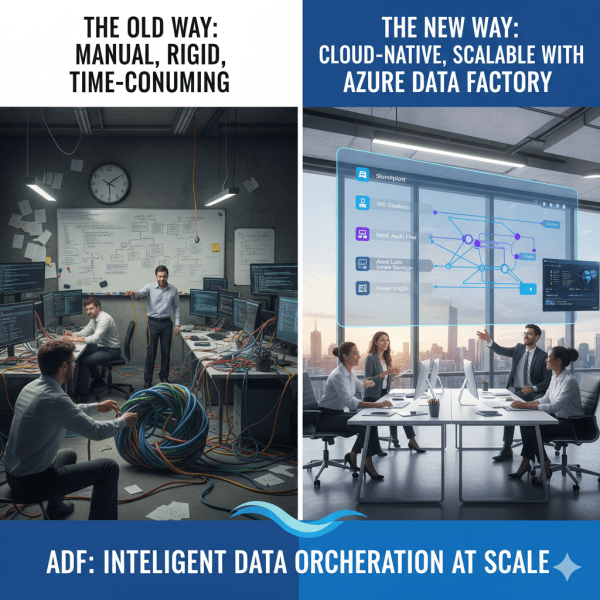
There was a time when moving data from multiple sources felt like untangling a giant knot. Every data refresh meant scripts breaking, manual checks, and long hours spent ensuring everything flowed from source to destination correctly. Then Azure Data Factory (ADF) entered the picture, and it didn’t just simplify ETL and ELT. It completely transformed how we think about data orchestration at scale.
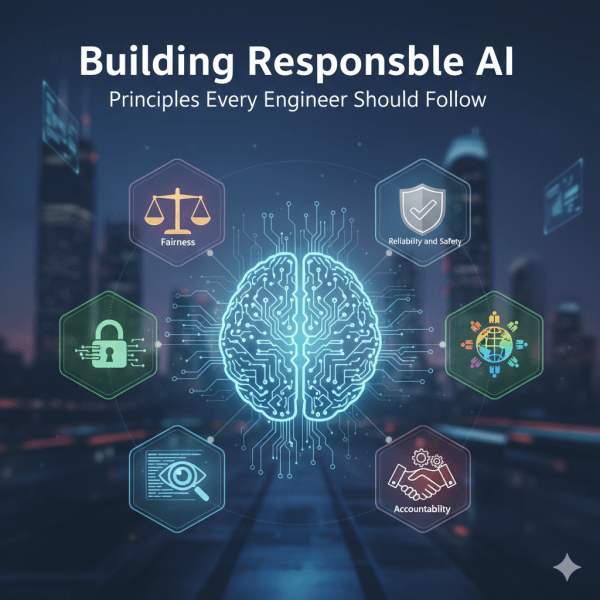
Building Responsible AI: Principles Every Engineer Should Follow
As engineers, we don’t just build systems. We shape experiences that affect people and society. AI is powered by probabilistic models trained on data, which means it can sometimes amplify biases or make mistakes that impact real lives. This is why principles of Responsible AI matter. At Microsoft, several core principles guide the responsible development and deployment of AI systems. Let’s look at them one by one.
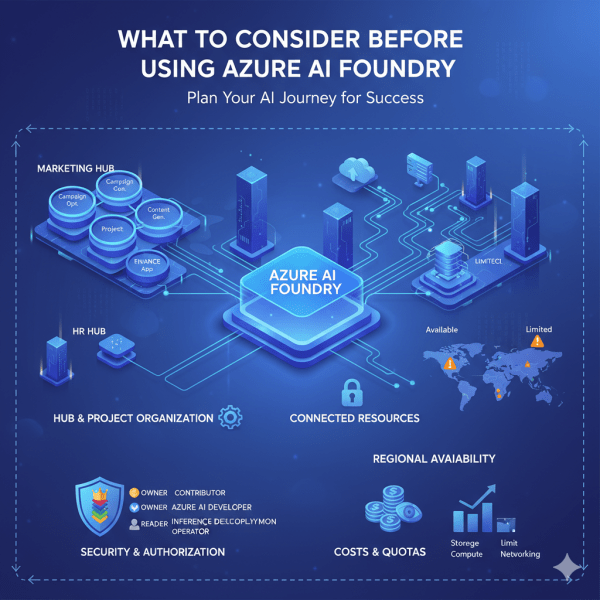
What to Consider Before Using Azure AI Foundry
Azure AI Foundry is a powerful platform for developing and scaling AI solutions. It gives teams structure through hubs and projects, shared resources, and collaborative tools. But to get the most from Foundry, it is important to plan carefully. From resource organization to cost management, a little forethought can make your AI journey smoother and more efficient.
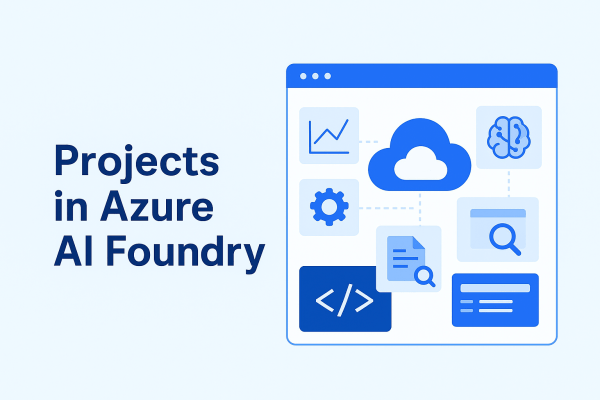
Projects in Azure AI Foundry: Where Ideas Turn Into AI Solutions
A project in Azure AI Foundry is a workspace designed for a specific AI development effort. Each project connects to a hub, giving it access to shared resources while also providing its own dedicated environment for collaboration and experimentation.
Unlocking the Power of Azure AI Foundry
Azure AI Foundry is Microsoft’s dedicated platform for building, managing, and scaling AI solutions in the cloud. It is not just a collection of services, it is a structured environment designed to make AI development more efficient, organized, and secure.
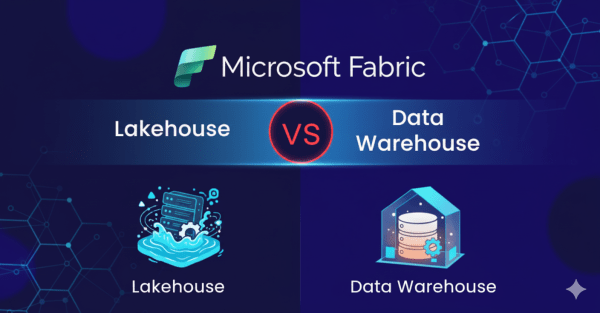
Lakehouse vs. Data Warehouse in Microsoft Fabric: Do You Really Need Both?
While working with Microsoft Fabric, a question came to mind: why use a Data Warehouse if the Lakehouse already provides a SQL endpoint? At first glance, it may seem redundant. However, when you look closer, the two serve very different purposes, and understanding these differences is key to knowing when to use each.
Microsoft Fabric Best Practices & Roadmap
Microsoft Fabric brings together data engineering, data science, real-time analytics, and business intelligence into one unified platform. With so many capabilities available, organizations often ask: How do we get the most out of Fabric today while preparing for what’s coming next? This post shares practical performance tuning tips, cost optimization strategies, and a look at the Fabric roadmap based on the latest Microsoft updates.
Governance & Security in Microsoft Fabric
As organizations adopt Microsoft Fabric to unify their data and analytics, ensuring governance and security becomes critical. Data is a strategic asset, and protecting it requires a mix of access controls, sensitivity labeling, and monitoring tools. Fabric brings these capabilities together so enterprises can innovate without sacrificing compliance.
Analyzing Data with Power BI in Microsoft Fabric
Data becomes valuable when it’s turned into insights that drive action. In Microsoft Fabric, this is where Power BI shines. By connecting directly to Lakehouses and Warehouses in Fabric, you can build interactive dashboards and reports, then publish and share them securely across your organization.
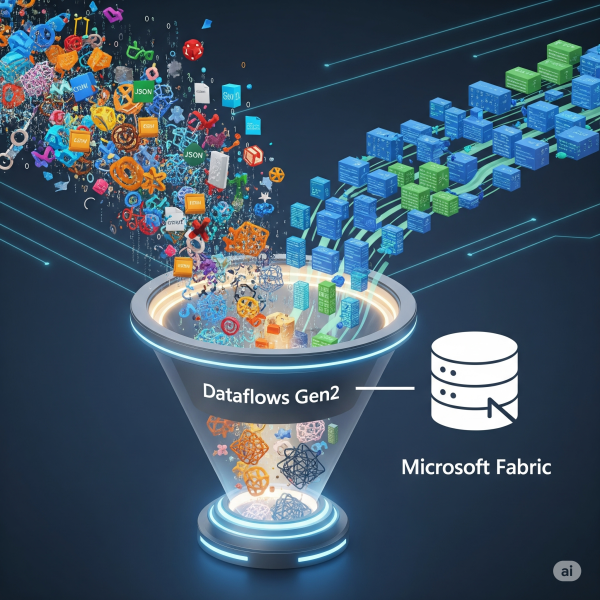
Transforming Data with Dataflows Gen2 in Microsoft Fabric
In Microsoft Fabric, raw data from multiple sources flows into the OneLake environment. But raw data isn’t always ready for analytics. It needs to be cleaned, reshaped, and enriched before it powers business intelligence, AI, or advanced analytics. That’s where Dataflows Gen2 come in. They let you prepare and transform data at scale inside Fabric, without needing heavy coding, while still integrating tightly with other Fabric workloads.
Exploring OneLake: The Heart of Microsoft Fabric
OneLake is Microsoft Fabric’s built-in data lake, designed to store data in open formats like Delta Parquet and make it instantly available to all Fabric experiences (Lakehouse, Data Factory, Power BI, Real-Time Analytics).
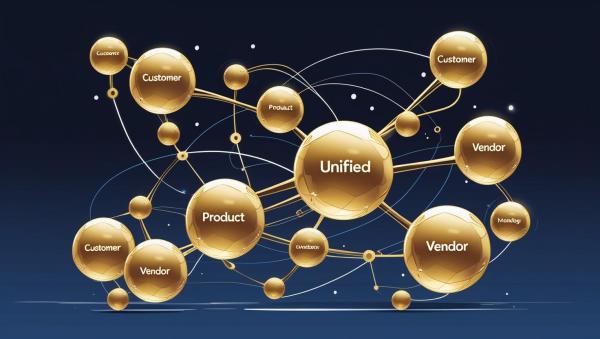
Golden Records: The Secret to Clean, Trusted Enterprise Data
In a world where organizations rely on dozens of apps, platforms, and databases, one thing remains true: fragmented data leads to flawed decisions. That’s why top-performing enterprises are investing in Golden Records: the trusted, unified versions of critical business entities like customers, products, and vendors.